Why Rail Travel is Back on Every Traveller's Wish List
For a long time, travel became all about speed. Faster flights, tighter itineraries, and seeing as much as possible in as little time as possible. But something has shifted. More travellers are now looking for experiences that feel richer, more immersive, and more memorable.
That shift is one of the reasons train holidays are having a moment again.
Rail travel offers something modern travel often lacks: the chance to slow down and actually experience the journey. Instead of rushing through airports or staring out a tiny airplane window, you settle into a comfortable seat, watch landscapes roll by, and arrive directly in the heart of your destination.
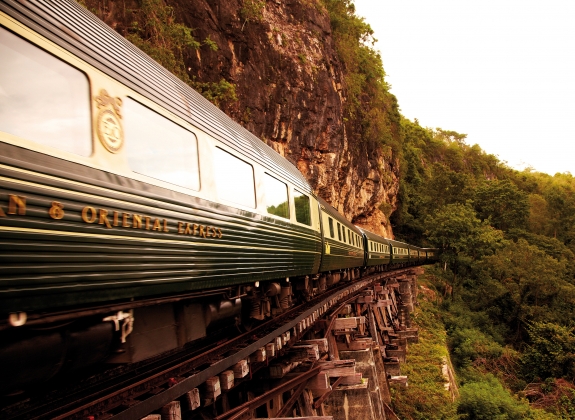
From the Alps to the Canadian Rockies to the fjords of Norway, some of the world’s most famous train holidays offer a front-row seat to spectacular scenery. And when planned well, they combine comfort, culture, and adventure in a way few other travel styles can match.
Why Train Travel Feels Different
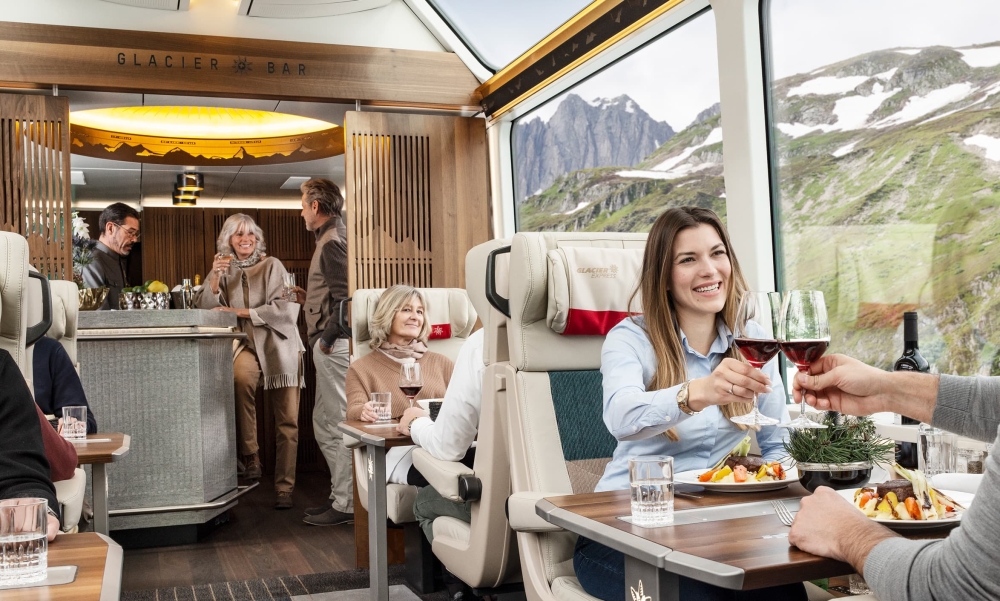
Part of the appeal of train travel is simple: it reconnects you with the journey itself.
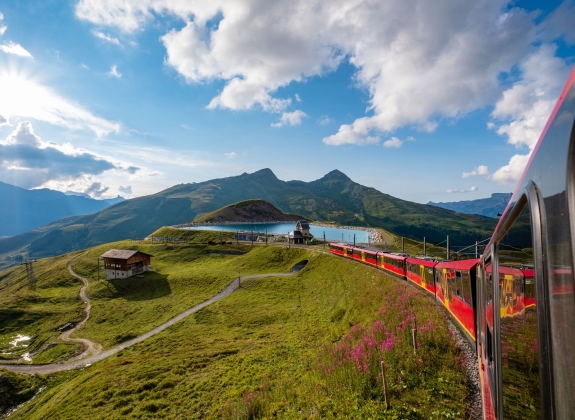
When you travel by rail, the landscapes between destinations become part of the experience. Mountain passes, vineyards, rivers, forests, and small villages appear outside your window, changing gradually as the train moves from one region to the next.
It’s a style of travel that feels more relaxed and more connected.
Modern trains also make the experience comfortable. Spacious seating, lounge cars, and panoramic viewing windows allow you to move around, stretch out, and enjoy the scenery along the way. Instead of treating travel days as something to get through, they become something to look forward to.
It’s no surprise that rail travel has become increasingly popular with travellers who value experiences over speed.
What Makes a Train Journey Truly Scenic
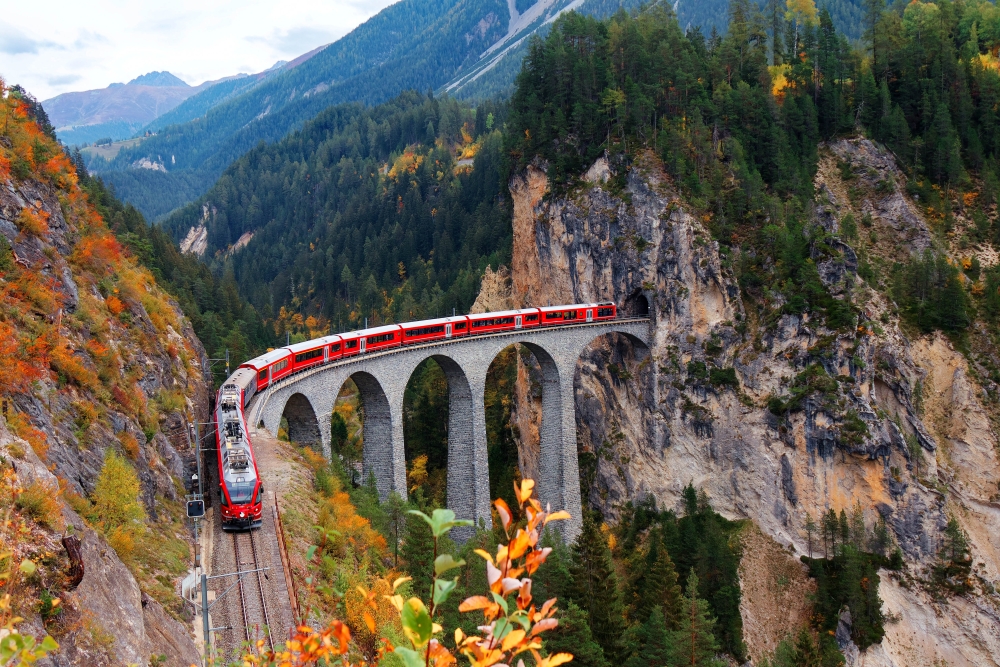
Not every rail route is considered a scenic train journey. The most famous train holidays tend to share a few defining features that make them unforgettable.
Dramatic landscapes: The best routes travel through places that feel remote and spectacular. These might include mountain ranges, national parks, fjords, river valleys, or rugged coastlines. The scenery changes constantly, keeping the journey visually engaging from start to finish.
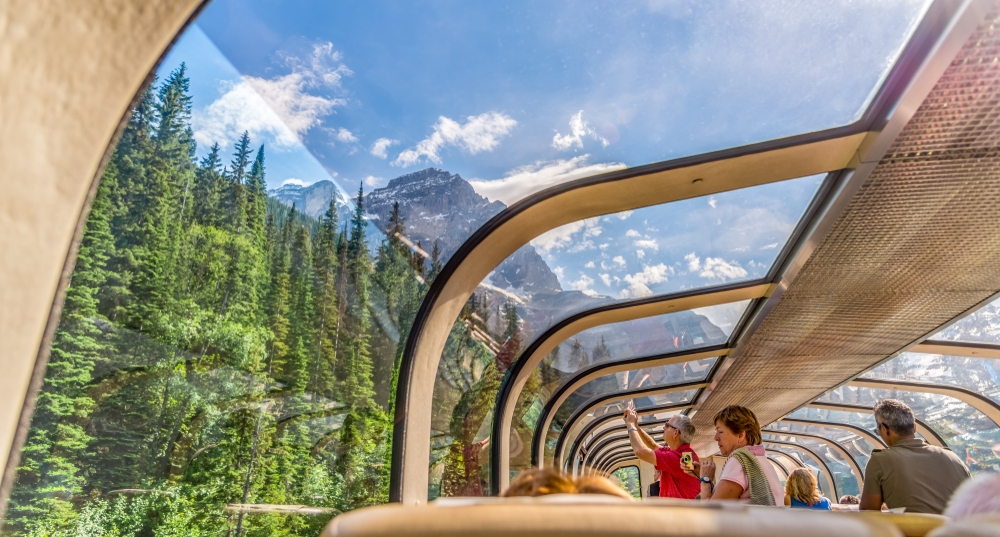
Panoramic views: Many iconic trains are designed specifically for sightseeing. Large panoramic windows, glass-domed carriages, and observation cars allow travellers to fully take in the landscapes around them.
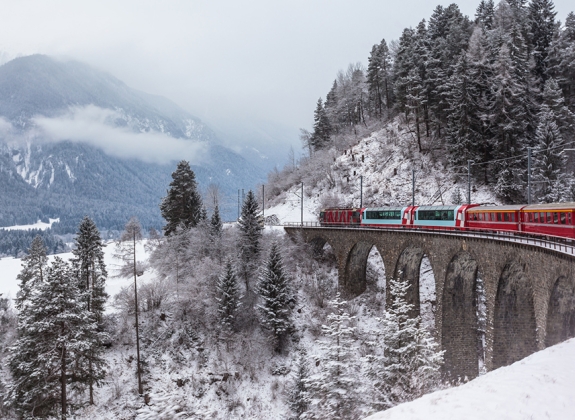
Historic rail engineering: Some of the world’s most famous routes are engineering marvels. Trains cross towering bridges, wind through spiral tunnels, and climb steep mountain passes that once seemed impossible to reach.
Cultural discovery along the route: The most rewarding rail holidays combine scenery with culture. Stops along the journey often include historic towns, local food experiences, or access to unique destinations that would be harder to reach by car or plane.
Together, these elements transform train travel into an experience rather than just transportation.
Three Iconic Scenic Train Journeys to Experience
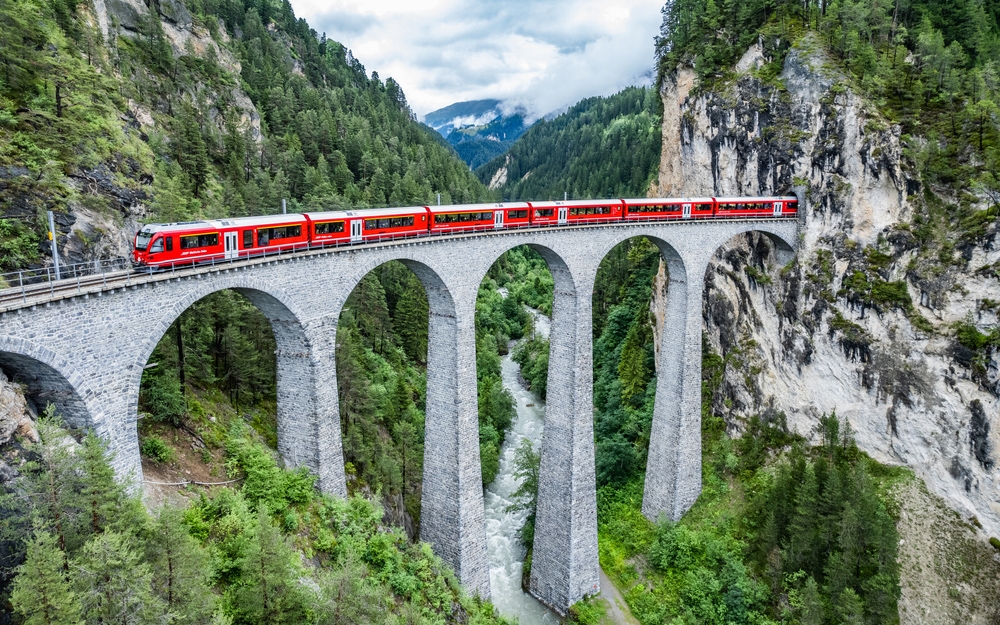
There are countless scenic rail journeys around the world, but a few stand out as truly legendary. These routes consistently appear on travellers’ bucket lists for good reason.
Glacier Express, Switzerland
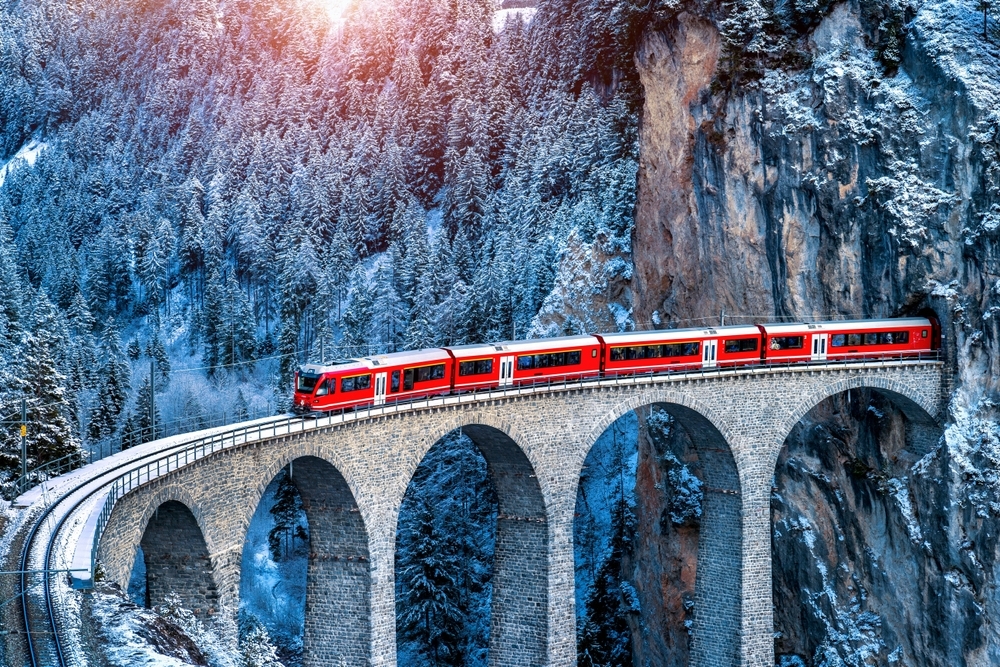
The Glacier Express is often described as one of the most scenic train journeys in the world.
Running between Zermatt and St. Moritz, the train travels through the heart of the Swiss Alps, crossing nearly 300 bridges and passing through more than 90 tunnels. Along the way, passengers see towering mountain peaks, deep alpine valleys, and postcard-perfect Swiss villages.
Panoramic carriages allow uninterrupted views of the landscape, while onboard dining highlights regional Swiss cuisine.
The journey takes most of the day, but it never feels long. Every turn in the track reveals another dramatic view.
Rocky Mountaineer, Canada
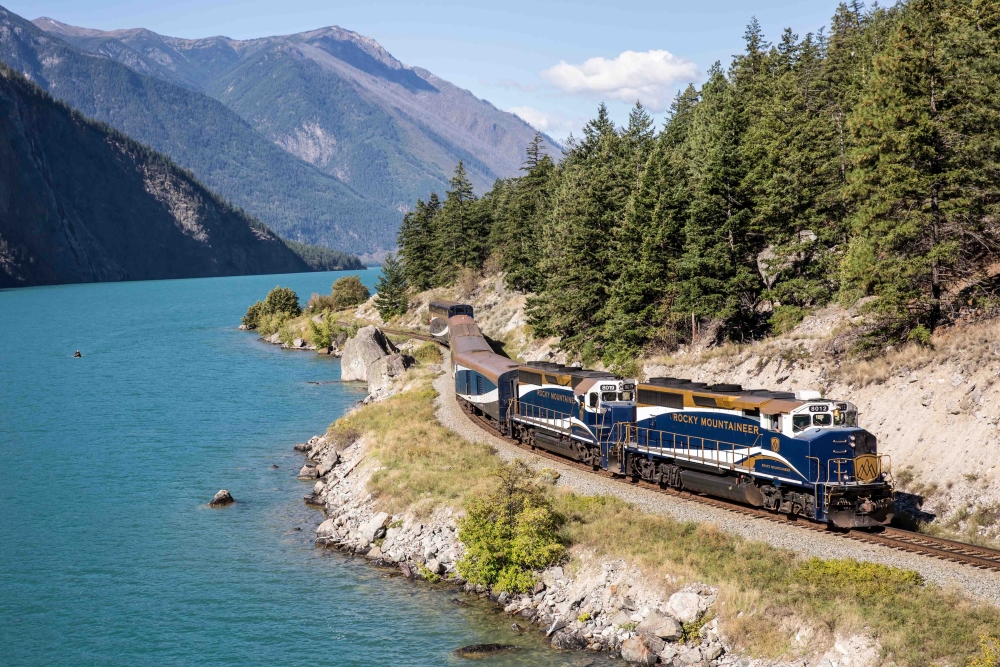
Western Canada’s Rocky Mountaineer delivers one of the most immersive wilderness rail journeys anywhere in the world.
Travelling through British Columbia and Alberta, the train winds through rugged mountain passes, alongside rushing rivers, and past dramatic cliffs and dense forests. Wildlife sightings are common, with passengers often spotting bears, elk, or eagles during the journey.
Glass-domed railcars provide sweeping views of the scenery, and the train travels only during daylight hours so travellers never miss the landscapes outside.
Evenings are spent in comfortable hotels along the route, making the experience both luxurious and relaxed.
Flåm Railway, Norway
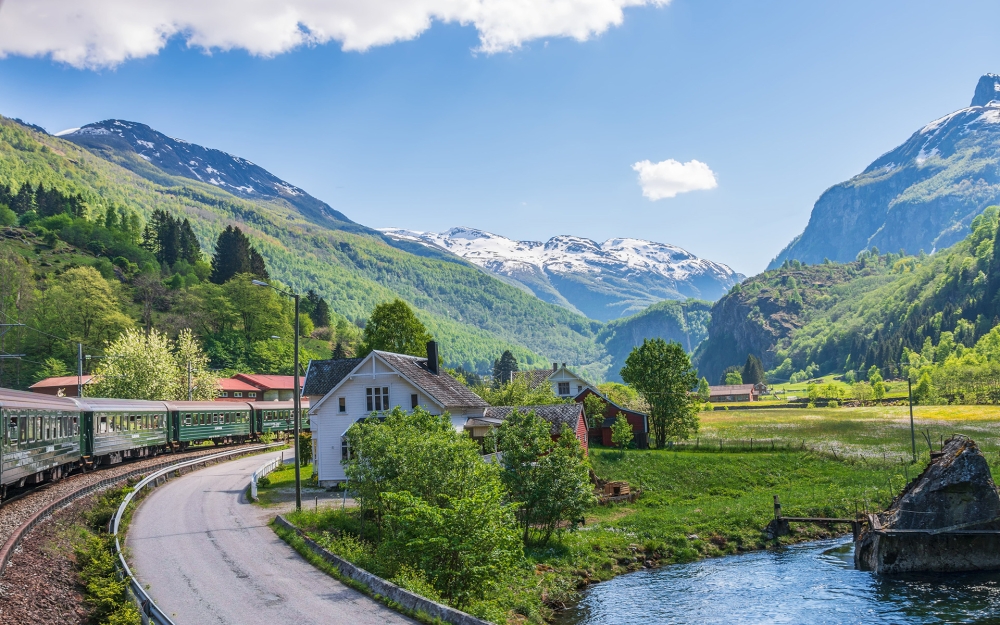
Norway’s Flåm Railway is one of the most dramatic short rail journeys in Europe.
The route connects the mountain station of Myrdal with the fjord-side village of Flåm. Over just 12 miles, the train descends nearly 3,000 feet through some of Norway’s most spectacular scenery.
Passengers see cascading waterfalls, steep cliffs, lush valleys, and panoramic views of the famous Norwegian fjords. The train even stops at a waterfall along the way, allowing travellers to step outside and experience the landscape up close.
Despite its short distance, the Flåm Railway leaves a lasting impression.
Why Train Holidays Are Trending Again
The renewed interest in train travel isn’t just nostalgia. It reflects broader changes in how people want to travel today.
Travellers are embracing slower journeys: Many people are moving away from rushed itineraries and looking for experiences that feel more meaningful. Train travel naturally encourages a slower, more immersive pace.
Scenic experiences matter more than ever: Travellers increasingly want the journey itself to be memorable. Scenic rail routes offer constantly changing views that make travel days part of the adventure.
Rail travel can be more sustainable: Compared to flying or driving long distances, trains generally produce fewer emissions. For environmentally conscious travellers, rail can be a more responsible way to explore.
Comfort and convenience are improving: Modern rail networks offer comfortable seating, onboard dining, and easy city-centre arrivals. Travellers avoid the stress of airport security lines or navigating unfamiliar roads.
Together, these factors have helped rail holidays move from niche travel style to one of the most exciting ways to explore the world.
Planning a Famous Train Holiday
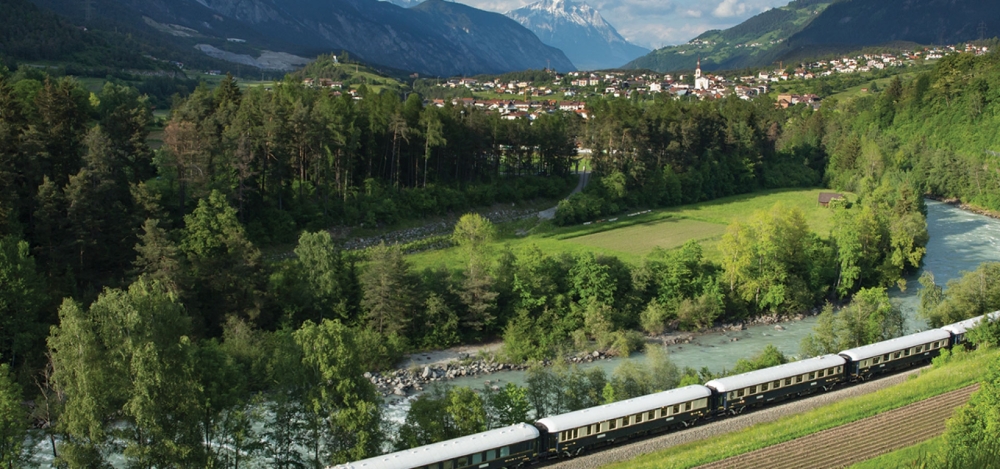
One of the biggest misconceptions about rail travel is that planning it is complicated. In reality, it can be surprisingly simple when the itinerary is designed well.
Many rail holidays combine scenic train routes with hotel stays, guided sightseeing, and time to explore each destination. Travellers can experience multiple regions while enjoying comfortable, scenic journeys between them.
Working with rail specialists ensures that train tickets, seat reservations, accommodation, and connections are all arranged in advance. That removes the uncertainty travellers sometimes associate with international rail travel.
Instead of worrying about logistics, you simply show up at the station and enjoy the journey.
Why the Journey Matters
Famous train holidays continue to capture travellers’ imaginations because they offer something increasingly rare: the chance to travel in a way that feels both exciting and relaxing.
You move through landscapes rather than over them. You arrive in the heart of cities rather than far outside them. And you experience the places between destinations instead of skipping past them.
Whether it’s crossing the Swiss Alps, gliding through the Canadian Rockies, or descending toward a Norwegian fjord, train travel offers a perspective on the world that few other journeys can match.
For travellers looking for something memorable, immersive, and a little bit magical, there may be no better time to jump on board.