Your Top Rail Travel Questions Answered
Rail travel is one of the most scenic, efficient, and enjoyable ways to explore the world. But if you’re planning your first rail holiday, or even your fifth, you probably have questions. From logistics to scenery to timing, here are answers to some of the most common rail travel questions travellers ask before booking.
1. Is train travel in Europe easy for first-time visitors?
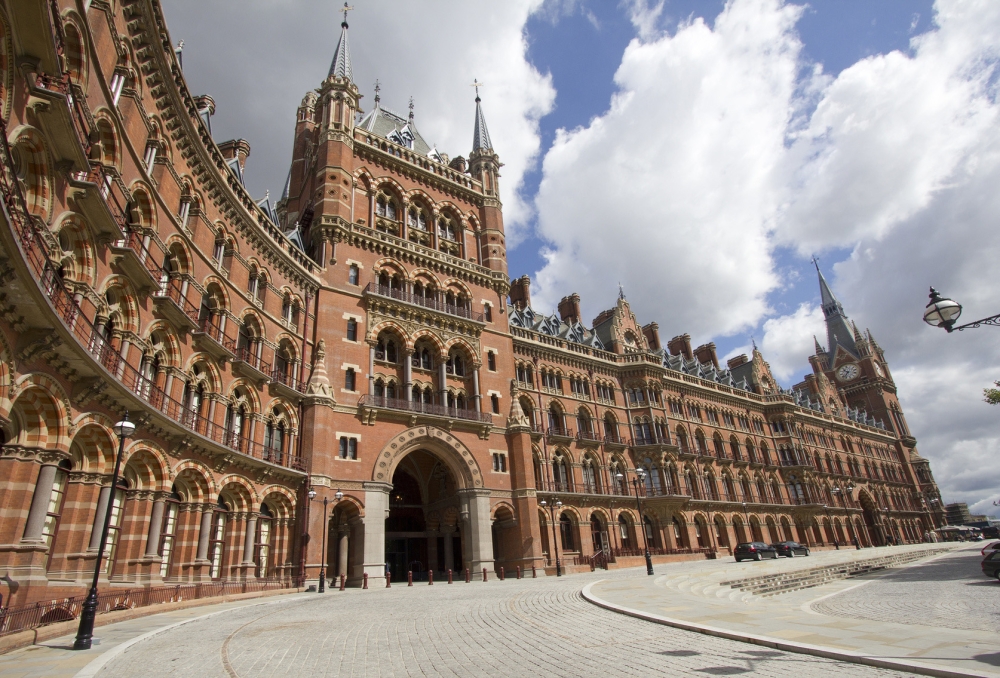
Yes - and often much easier than flying. Europe’s rail systems are modern, efficient, and designed for travellers. High-speed trains in countries like Italy, France, and Spain connect major cities in just a few hours, while Switzerland and Norway offer seamless scenic routes through the countryside. Stations are centrally located, which means no long airport transfers, and signage is typically clear and multilingual. For many first-time visitors, train travel ends up feeling more intuitive than expected.
2. What’s the most scenic train journey in Europe?
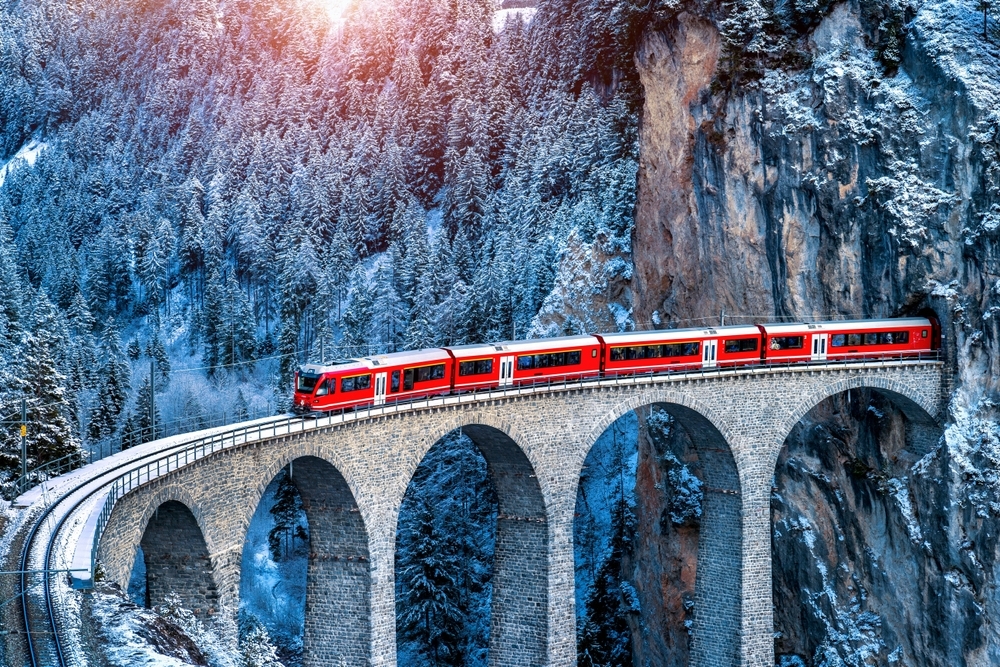
Switzerland’s Glacier Express consistently ranks among the most scenic rail journeys in the world, with panoramic windows showcasing snow-capped peaks and alpine valleys. Norway’s fjord routes, including the famous Norway in a Nutshell journey, offer waterfalls and dramatic mountain landscapes. Scotland’s Highland routes deliver rugged beauty, lochs, and sweeping moorlands.
The difference between scenic rail and standard travel is simple: the journey becomes the highlight.
3. How much time do I need for a multi-city rail holiday in Italy?
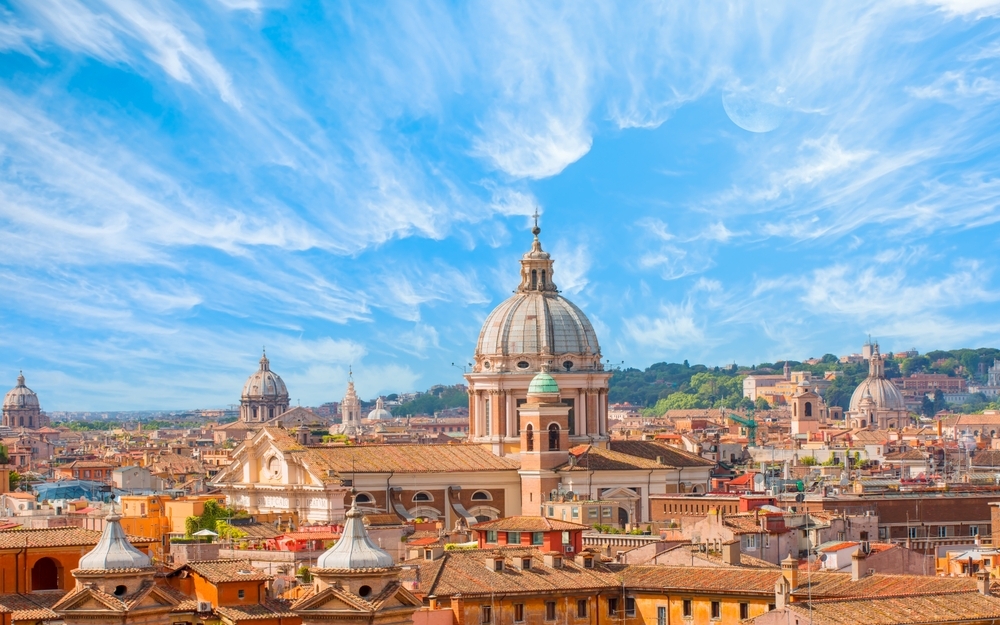
For a classic itinerary like Rome, Florence, and Venice, a week works beautifully. Italy’s high-speed trains make city-hopping incredibly efficient, allowing you to maximise sightseeing time instead of spending hours in transit. If you want to include the Amalfi Coast or the Cinque Terre, extending to 10 to 12 days gives you a more relaxed pace.
The key is balancing iconic cities with time to soak in each destination.
4. Is rail travel better than flying within Europe?
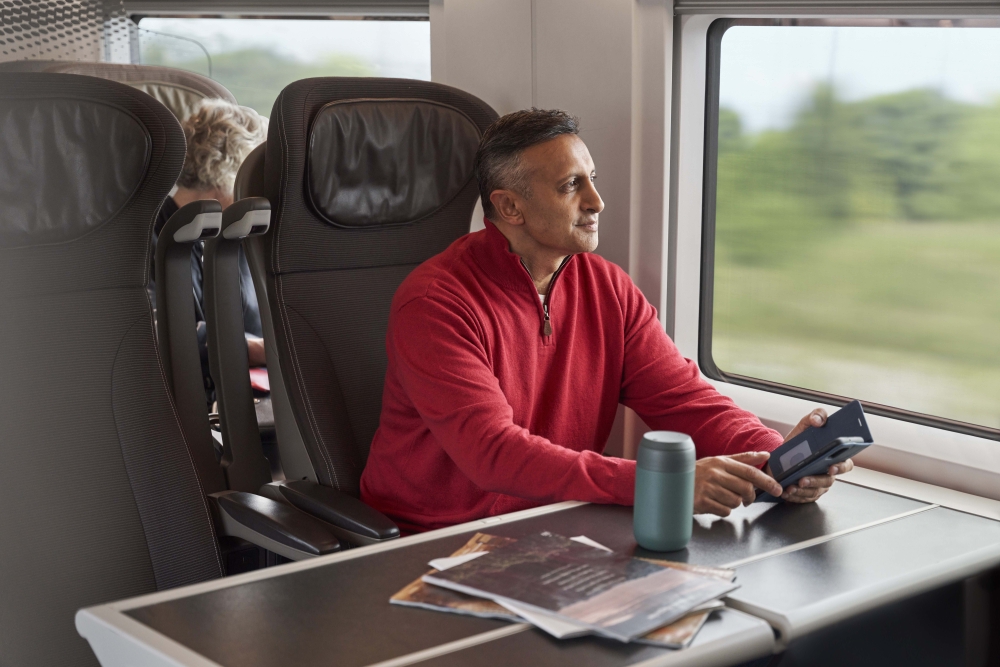
For many routes, yes. Trains travel city centre to city centre, eliminating the need for airport transfers and early check-ins. When you factor in security queues and travel to and from airports, rail is often just as fast - sometimes faster. Plus, you get scenic views and a more comfortable, spacious experience. It transforms travel time into part of the adventure.
5. Can I combine a rail journey with a cruise?
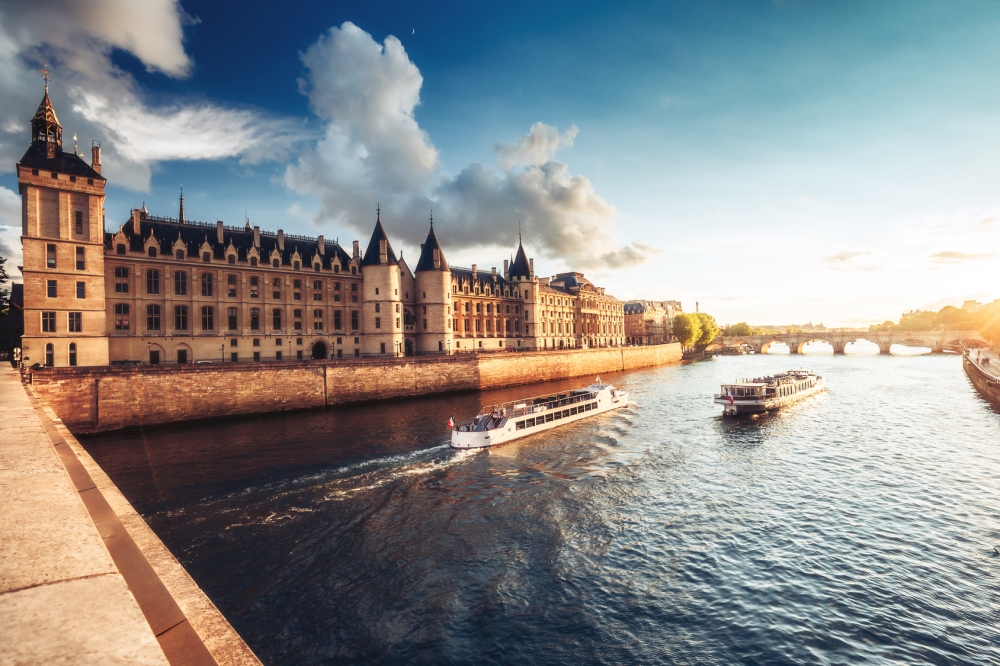
Absolutely. Rail travel pairs perfectly with European cruises, especially in cities like Rome, Venice, Barcelona, or Southampton. Adding a rail extension before or after a cruise allows you to explore inland destinations without flying back and forth. It’s one of the easiest ways to turn a week-long cruise into a 12- to 14-day European holiday.
6. What’s the best rail trip in North America for scenery?
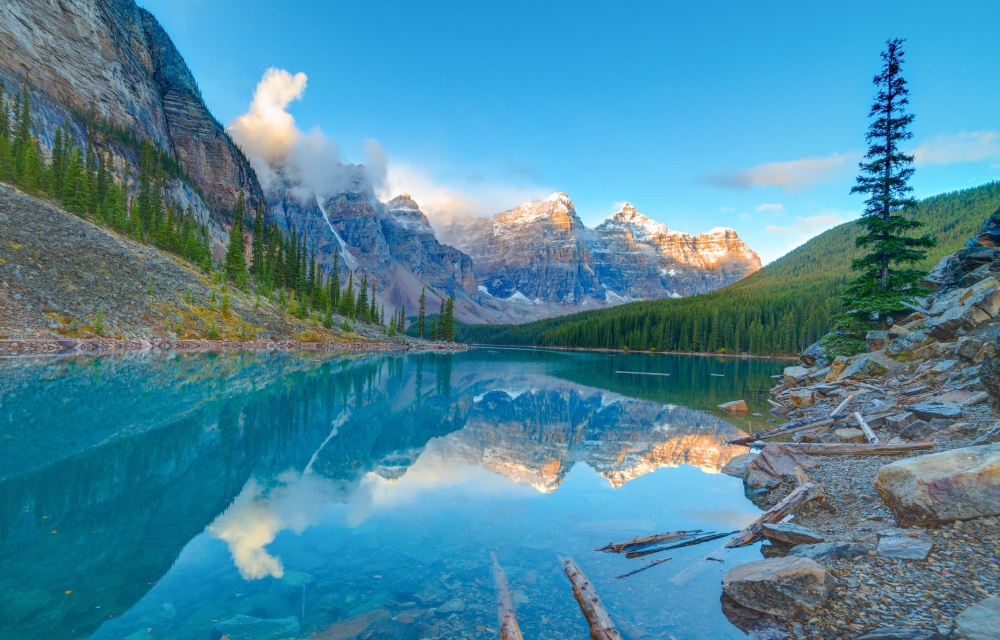
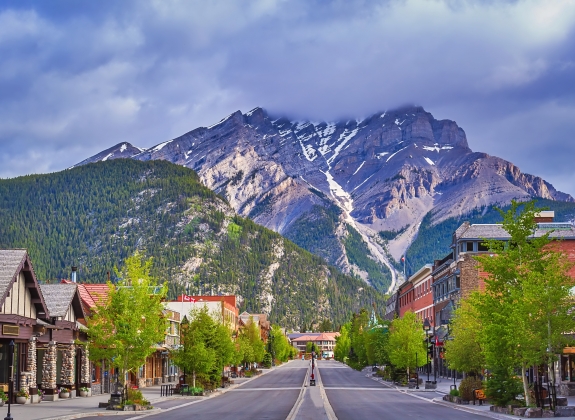
The Canadian Rockies and Alaska consistently top the list. Routes through Banff, Lake Louise, and Jasper offer glacier-fed lakes and towering peaks. Alaska’s rail journeys connect Anchorage, Denali, and Seward with vast wilderness views and wildlife sightings.
In North America, rail is often the most relaxing way to see big landscapes.
7. Are rail holidays good for seniors or multigenerational families?
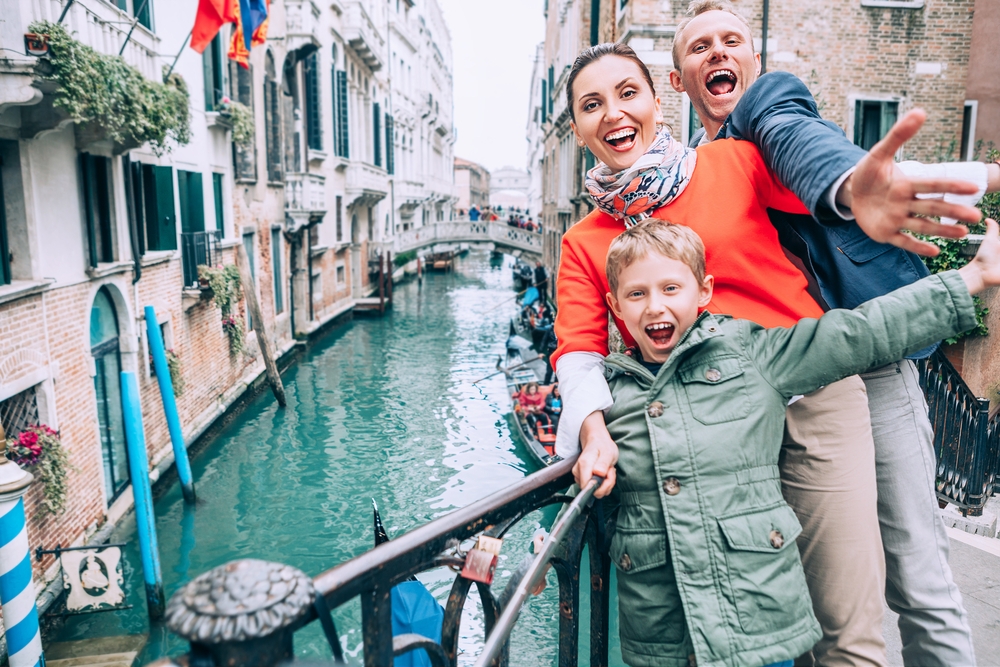
Very much so. Rail travel eliminates the stress of driving in unfamiliar places and navigating complicated road systems. Stations are typically centrally located, hotels are well positioned, and itineraries can be paced comfortably. The experience is smooth and accessible, which makes it ideal for a wide range of ages. It’s one of the most inclusive ways to travel.
8. Do I need to worry about luggage on trains?

Generally, no. Most trains provide luggage storage areas either at the ends of carriages or overhead for smaller bags. There are rarely strict weight limits like airlines impose, and boarding is typically straightforward. As long as you can comfortably handle your own luggage, train travel is simple.
9. What’s the best country for a first rail holiday?
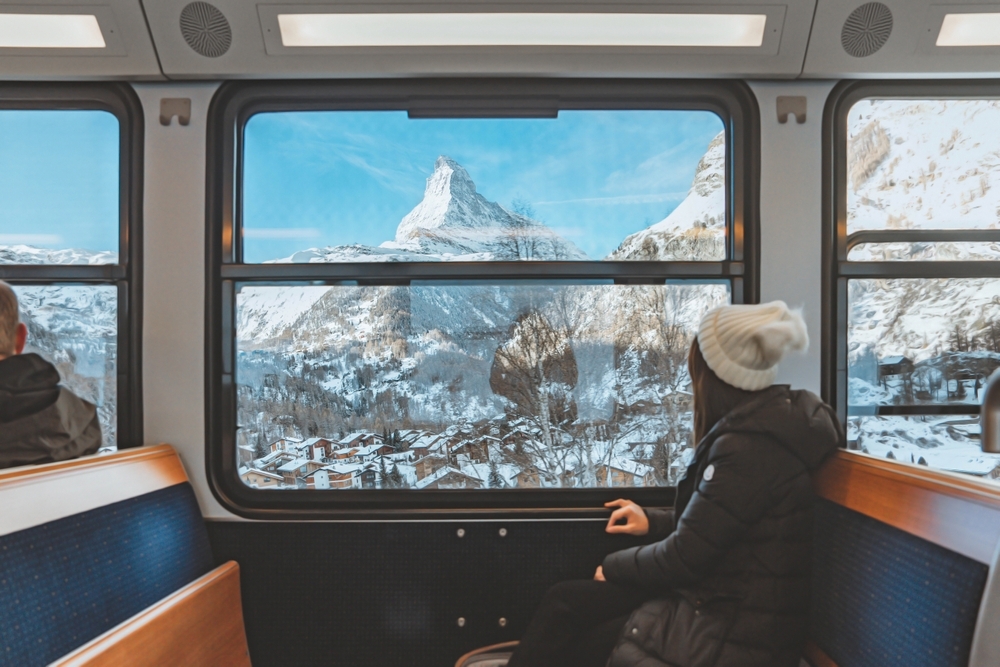
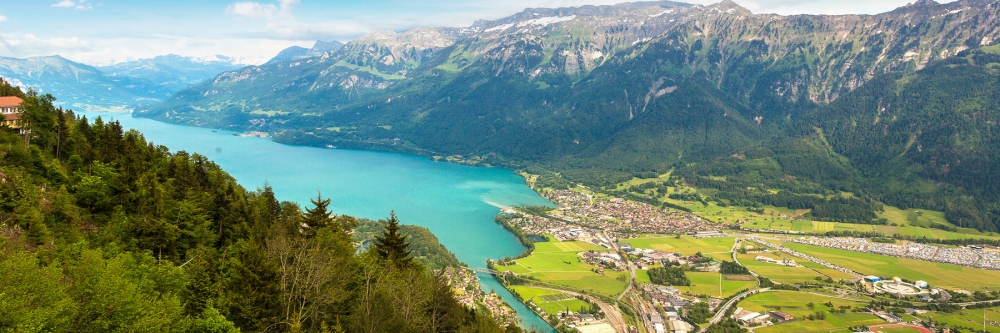
Switzerland is often considered the easiest starting point thanks to its impeccable rail system and compact geography. Italy is another favourite because high-speed trains connect major cities seamlessly. Ireland and Scotland are also excellent choices for travellers who want scenic routes combined with manageable distances.
Each offers strong infrastructure and rewarding scenery.
10. How do I plan a complicated multi-country rail trip?

This is where Railbookers makes all the difference. Multi-country rail holidays can involve coordinating train schedules, seat reservations, hotel locations, sightseeing tours, and transfer timing - and small mistakes can create unnecessary stress. Railbookers specialises in designing seamless, customised rail itineraries that connect multiple countries without gaps or guesswork. From Switzerland to Italy, from Scotland to France, from Norway to Spain, every connection is thoughtfully planned so travellers can focus on the experience rather than the logistics.
Instead of piecing together tickets and hoping connections line up, Railbookers handles the details - trains, hotels, and key sightseeing - so your journey flows smoothly from start to finish.
Start Planning Your Rail Journey
Rail travel answers one of the biggest questions travellers ask: how can I see more without adding stress? With efficient connections, scenic routes, and expert planning support, rail holidays make exploring top destinations feel surprisingly simple.
If you’re ready to turn your questions into a plan, the journey might be easier than you think.