Travelling Through Sri Lanka by Rail: Season by Season
There is no single best season for travelling through Sri Lanka by rail, because each season can provide experiences on different sides of the island.
Sri Lanka’s two monsoon systems mean that weather varies considerably between regions, while the central highlands have their own cooler climate.
From lush tea country and misty mountains to sunny coastlines and tropical landscapes, every season offers its own reason to explore Sri Lanka by rail.
Is Sri Lanka a year-round destination?
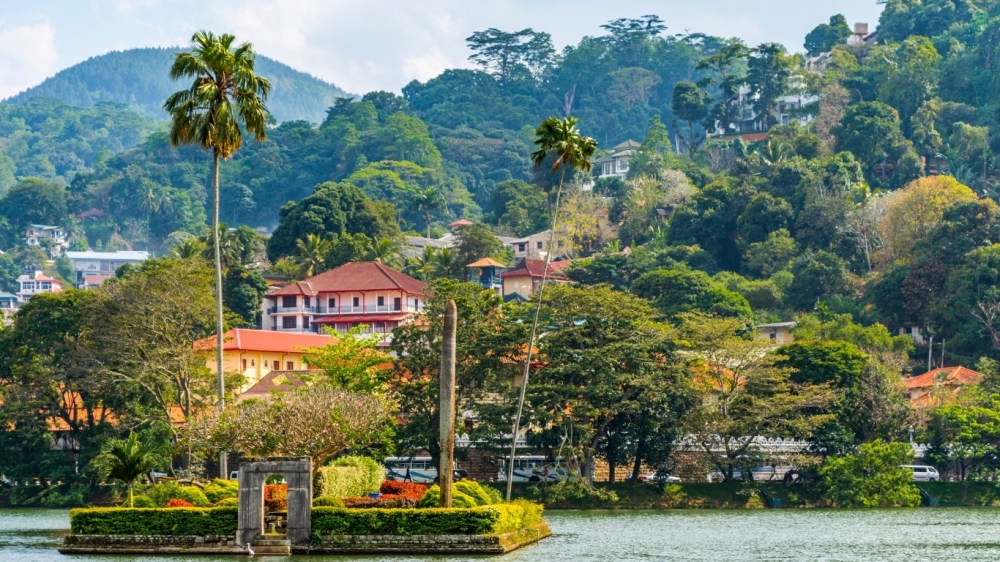
Yes. Different regions come into their own at different times of the year.
The island’s climate is influenced by two monsoon systems, which affect different parts of the country at different times. The southwest monsoon generally brings rain to the southwest and central hills between May and September, while the northeast monsoon affects the north and east from December to February. Between these periods there are two inter-monsoon seasons, typically around March and April, and October and November.
That doesn't mean one season is better than another. Instead, it means travellers can experience different landscapes, regions, and atmospheres throughout the year.
For a rail holiday, this can be part of the appeal. The scenery outside the train window is constantly changing, and rainfall can transform the landscape into an even deeper shade of green, while mist can settle over the hills and tea plantations.
Rather than asking when the "best" time to visit Sri Lanka is, consider what you would like to see, where you would like to travel, and what kind of atmosphere you want from your journey.
Why is Sri Lanka so well suited to travelling by rail?
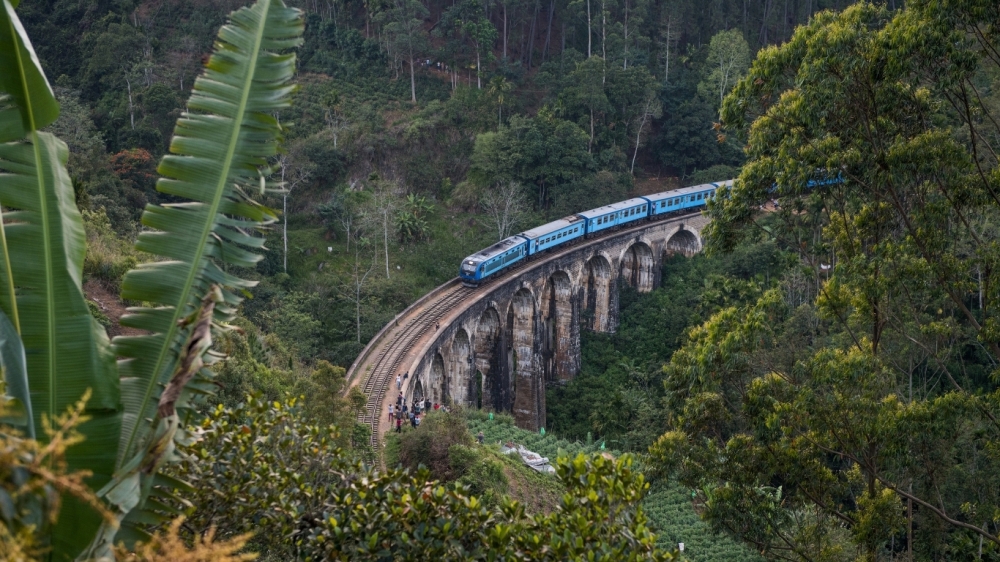
Sri Lanka has a long railway history, with routes extending from Colombo into the central highlands and the country's tea-growing regions. The railway played an important role in connecting the plantations with the capital, and today, those same routes offer travellers a spectacular way to experience the island's landscapes.
The journey into the hill country is particularly memorable.
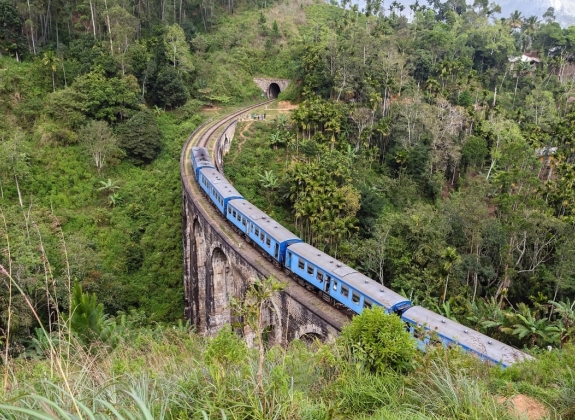
As the train leaves the lowlands, the scenery gradually changes. Tropical vegetation gives way to rolling hills, tea plantations, waterfalls, forests, and mountain valleys. The slower pace is part of the experience. Rather than simply travelling between destinations, you have time to watch Sri Lanka's landscape unfold outside the window.
And because the island's climate changes throughout the year, the same rail journey can look remarkably different depending on when you travel.
What are the seasons like in Sri Lanka?
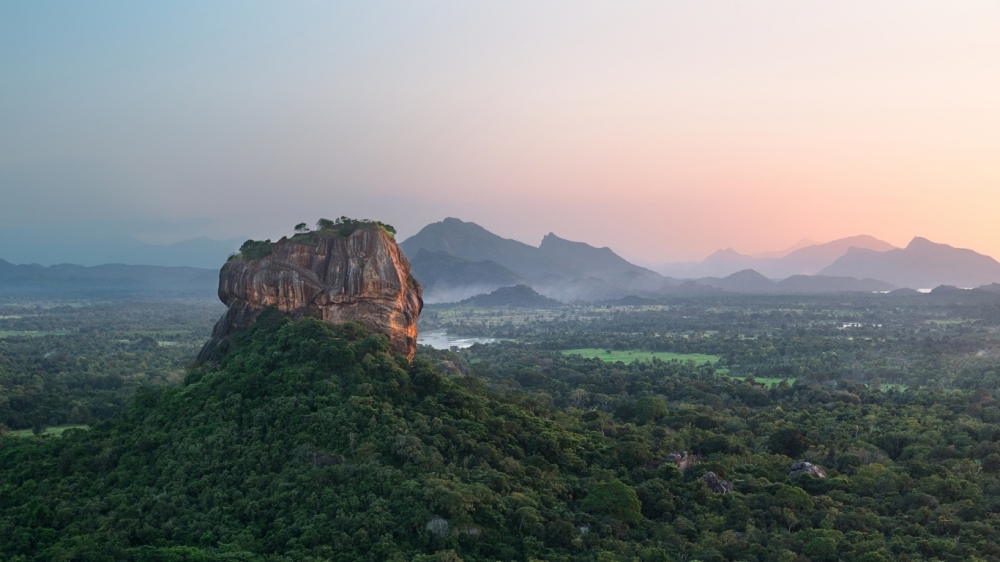
Sri Lanka has four broad seasonal periods, shaped by the country's two monsoons and two inter-monsoon periods.
Northeast monsoon: December to February. Wetter conditions generally affect the north and east, while the southwest is typically drier.
First inter-monsoon: March to April. Warm conditions across much of the country, with the possibility of afternoon showers.
Southwest monsoon: May to September. Rainfall is more common in the southwest and central hills, while the north and east can be comparatively drier.
Second inter-monsoon: October to November. More widespread, changeable rainfall across the island.
These are broad regional patterns rather than guarantees. Sri Lanka is a tropical island, so weather can vary from day to day, and conditions in the mountains can differ considerably from those on the coast. That regional variation is one of the reasons Sri Lanka works so well as a year-round destination.
From December through February, the northeast and parts of the east can experience more rainfall, while the southwest generally enjoys a drier period. This can make the season particularly appealing for travellers who want to combine the capital, southern coast, and central highlands.
In March and April, conditions are generally warm. The weather can be changeable, but this is also a time when the landscape can feel particularly vibrant. The central highlands provide a cooler contrast to the lowlands, while cultural destinations around the Cultural Triangle offer another dimension to a rail holiday.
From May to September, the southwest monsoon means travelling in the north might provide more favourable conditions. Destinations to visit during this time include Trincomalee, Jaffna, and Arugam Bay.
October and November are the second inter-monsoon period, when rainfall can become more widespread across the island. The combination of tropical rainfall, warm temperatures, and lush vegetation can create particularly vivid scenery, including misty mountain views, waterfalls at their most impressive, and incredibly green tea plantations.
For travellers planning a rail holiday, the seasonal changes create an opportunity to think about the country regionally. If rain is affecting the southwest, another part of the island may be enjoying sunshine. If your priority is the central highlands, you might experience a greener, more atmospheric version of the landscape.
Do the monsoon seasons mean you shouldn't travel by train?
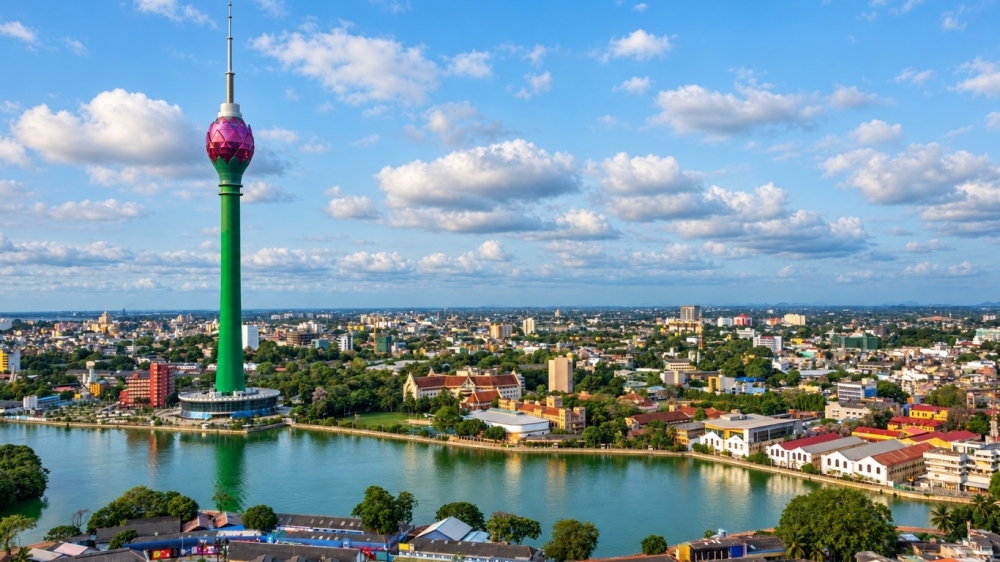
No. Rain is a natural part of Sri Lanka's climate, and the island's landscapes are shaped by it. The central highlands can become incredibly lush during wetter periods. For a multistop holiday, having the wider itinerary carefully coordinated can also make it easier to adapt if conditions change.
One of the most appealing aspects of travelling through Sri Lanka by rail is that the weather becomes part of the scenery. On a clear day, you might see layers of mountains stretching into the distance. On a rainy day, the landscape can become intensely green.
When mist settles over the highlands, tea plantations and mountain valleys can take on an entirely different character. Sunlight can suddenly break through the clouds, creating dramatic views from the train.
Travellers shouldn't necessarily think of rain as something that needs to be avoided. Of course, extreme weather can affect transport and sightseeing, but ordinary tropical showers are part of experiencing Sri Lanka.
How should you plan a Sri Lanka rail holiday throughout the year?
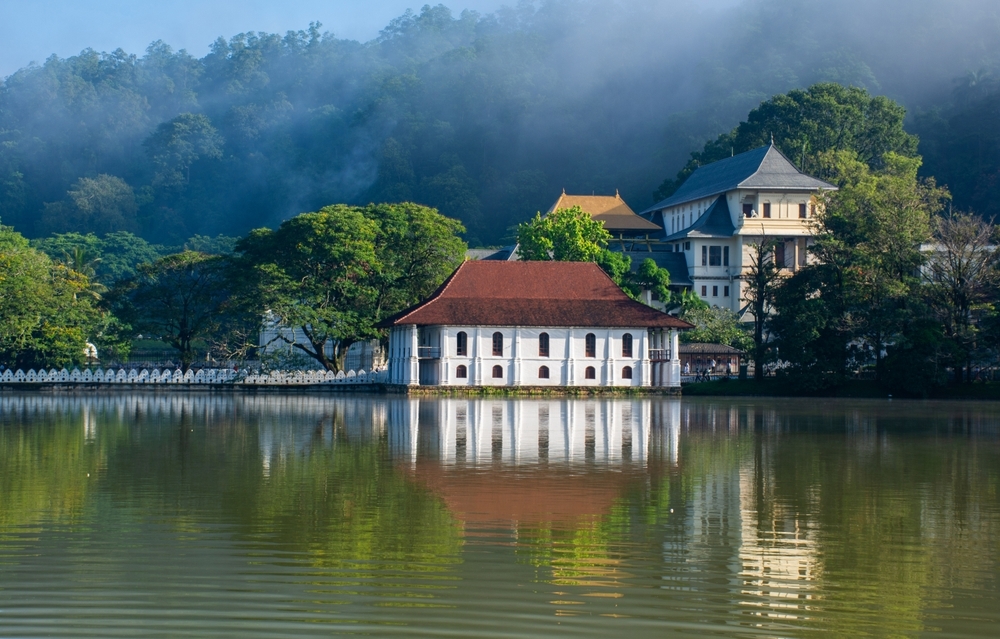
Rather than building your holiday around a single season, start by thinking about the experiences you want to combine.
For example, you might want to include:
- Time in Colombo
- Cultural sightseeing in Kandy
- The Cultural Triangle and Sigiriya
- Scenic rail travel through the hill country
- Tea plantations
- Wildlife experiences
- Time on the coast
- Opportunities to meet local people and experience Sri Lankan culture
Once you've decided what you want from the trip, the seasonal weather patterns can help shape the route.
How does Railbookers make planning a Sri Lanka rail journey easier?
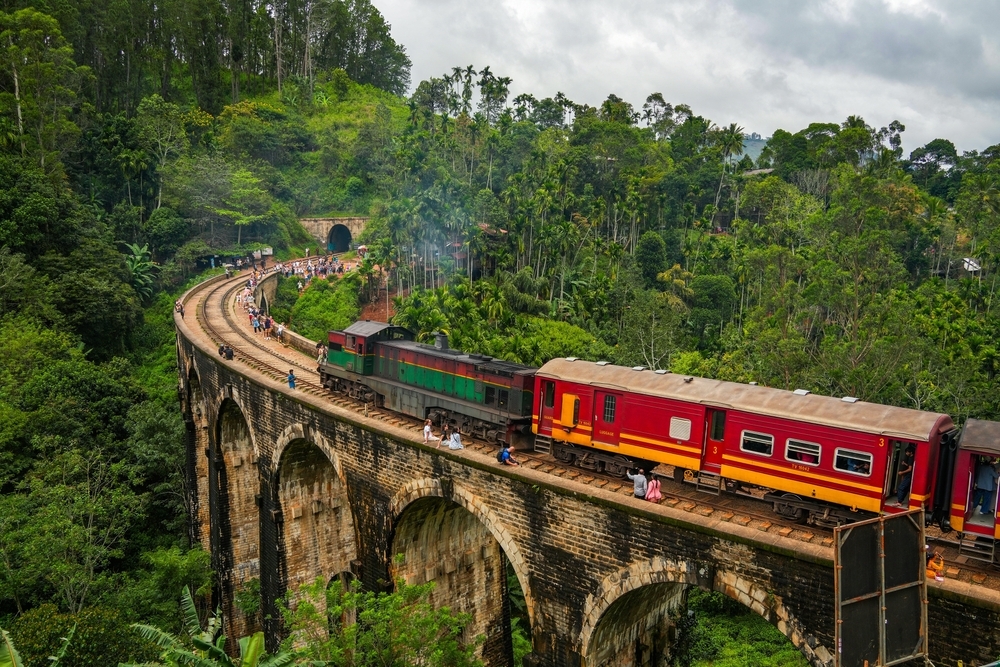
A Sri Lanka rail holiday involves more than just buying a train ticket.
There are hotels to coordinate, transfers between stations and accommodation, sightseeing to arrange, and different forms of transport to connect the rail journeys with destinations that aren't directly served by train.
Railbookers' Sri Lanka journeys are designed around independent travel with local support, combining rail travel with hotels, sightseeing, and transfers. Our locally guided itineraries provide additional destination support while giving travellers independence rather than travelling as part of a traditional escorted group.
For Sri Lanka, having a local guide can be particularly valuable. They can provide context that you might not get from a guidebook alone, while pre-arranged transfers can make it easier to move between railway stations, hotels, and sightseeing experiences.
It also means you don't have to choose between a completely independent trip and a traditional escorted tour. You can have a thoughtfully planned journey, with the flexibility to make each destination your own.
What should you pack for a Sri Lanka rail holiday?
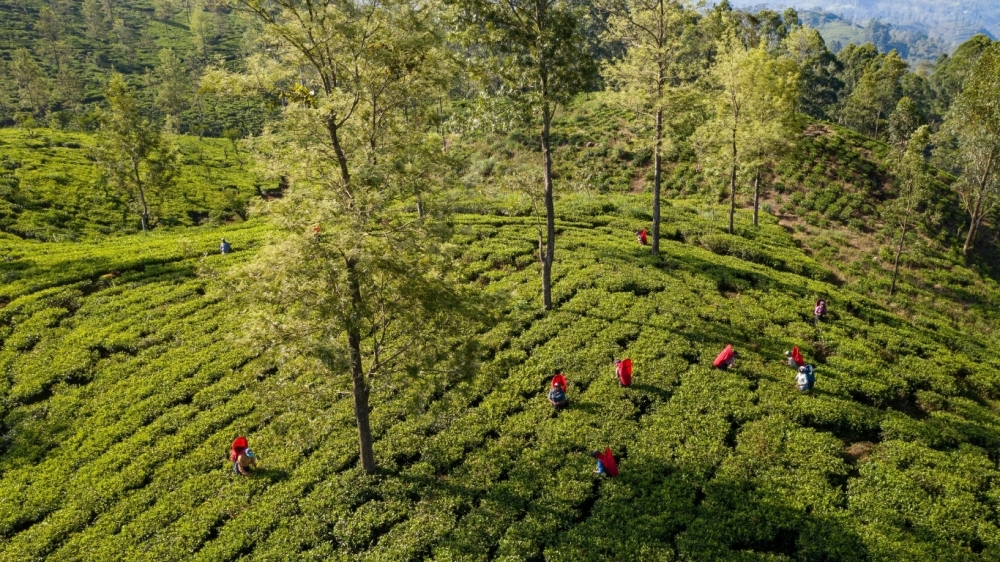
Because Sri Lanka is warm and tropical for much of the year, lightweight clothing is a good starting point. However, temperatures can be noticeably cooler in the central highlands, and rain is possible in every season.
Consider packing:
- Lightweight, breathable clothing
- Layers for cooler highland temperatures
- A lightweight waterproof jacket
- Comfortable walking shoes
- Sun protection
- A reusable water bottle
- A small day bag
- Modest clothing for visiting temples and religious sites
- A light jumper or cardigan for cooler evenings in the hills
It's also important to dress respectfully when visiting religious sites, and travellers should follow local expectations around photography.
What should travellers know before taking the train in Sri Lanka?
Sri Lankan rail travel is part of the adventure, but it isn't always comparable with travelling on a modern European high-speed railway. Journeys can take time, services can be busy, and conditions can vary between routes and classes.
The railway gives you a chance to slow down, watch daily life pass outside the window, and experience the landscape at a pace that a road transfer simply can't replicate. For travellers who value the journey as much as the destination, that can be part of the appeal.
Why does expert planning matter for a Sri Lanka rail holiday?
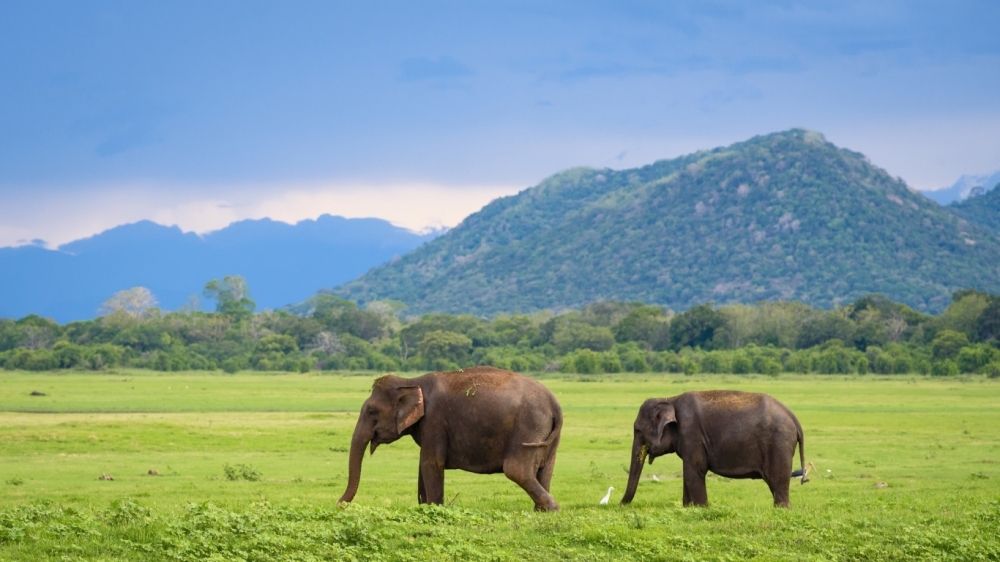
Sri Lanka may look relatively straightforward on a map, but creating a well-paced rail itinerary involves a few decisions.
You need to consider:
- Which rail routes are most worthwhile
- Where to spend additional nights
- How to connect railway stations with hotels
- Which sightseeing experiences require private transport
- How much time to allow between destinations
- How the seasonal weather affects different regions
- Where local guides can add useful context
- How much free time to leave in the itinerary
Getting those elements to work together is where planning can make a difference.
Rather than simply booking individual components, Railbookers can coordinate the rail journey, accommodation, transfers, and sightseeing into one independent holiday. That allows travellers to focus on experiencing Sri Lanka, rather than constantly working out what comes next.
Before You Book: Key Takeaways
Sri Lanka is a year-round destination. Don’t try to find one month when every part of the country has perfect weather.
Instead, Sri Lanka rewards travellers who embrace its variety.
The tropical climate can enhance the experience, creating lush landscapes, misty mountains, and dramatic views from the train. An itinerary should focus on what you want to experience, rather than choosing a single "best" season.
Sri Lanka doesn't have one rail season. It has a year-round story to tell.
Frequently Asked Questions About Sri Lanka by Rail
Can you travel through Sri Lanka by train all year?
Yes. Sri Lanka's railway network operates throughout the year, although individual services can be affected by weather, maintenance, or operational changes. The country's different monsoon systems mean that weather varies considerably by region throughout the year.
Is there a best season for a Sri Lanka rail holiday?
There isn't one season that is best for the entire country. Sri Lanka is a year-round destination, and the most suitable timing depends on the regions and experiences you want to include.
Does it rain all year in Sri Lanka?
Rainfall occurs throughout the year, but the timing and intensity vary by region. The southwest and northeast monsoons affect different parts of the island, while the inter-monsoon periods can bring showers more widely.
What should I wear on a Sri Lanka train journey?
Lightweight clothing works well for the warmer lowlands, while layers are useful in the cooler highlands. A lightweight waterproof jacket is also worth packing.
Is Sri Lanka suitable for independent travel?
Yes. Travellers can explore Sri Lanka independently, and a locally guided holiday provides another option for those who want independence combined with local support.
How long should a Sri Lanka rail holiday be?
That depends on how much of the country you want to experience. A journey combining Colombo, cultural sites, Kandy, the central highlands, wildlife, and additional destinations needs enough time to avoid rushing between stops. Railbookers can help balance rail travel with sightseeing and free time.
Why travel through Sri Lanka by train?
The train offers a slower, more immersive way to experience the island's changing landscapes. Rather than simply travelling between destinations, you can see Sri Lanka's towns, villages, tea plantations, forests, and mountains as you traverse the country.